IPTV with Subscription: What I Wish I Knew Before Cutting the Cord
I spent $200 a month on cable for years. Then I discovered IPTV with subscription plans, and everything changed. Here’s my honest experience after switching.
Let me be straight with you. I was skeptical about IPTV at first. Everyone online claims it’s the “future of television,” but I wanted real answers. Would it work on my devices? Would the streams buffer? Was it actually cheaper?
Table of Contents
ToggleAfter testing multiple services over six months, I can tell you exactly what works and what doesn’t. No corporate speak, no marketing fluff. Just what I learned the hard way.
Why I Finally Switched to IPTV with Subscription
My cable bill hit $217 last March. That included a “premium” package I barely watched, rental fees for equipment I didn’t want, and taxes that somehow added $40. I called to cancel, and they offered me a “special deal” that was still $180. No thanks.
A friend mentioned he paid $15 monthly for IPTV with free trial options and got more channels than I had. I figured I had nothing to lose. If it was terrible, I’d just go back to cable.
That was eight months ago. I haven’t looked back since.
What IPTV with Subscription Actually Gets You
Here’s the thing most articles won’t tell you. Not all IPTV services are equal. Some are fantastic. Others are garbage that’ll waste your money and frustrate you.
When I say IPTV with subscription, I mean a legitimate service that gives you access to live TV channels, on-demand content, and sports packages through an internet connection. No satellite dish. No cable box. Just your existing internet and a compatible device.
The good providers offer:
- Live TV channels from the US, UK, Canada, and internationally
- Sports packages including NFL, NBA, NHL, and soccer
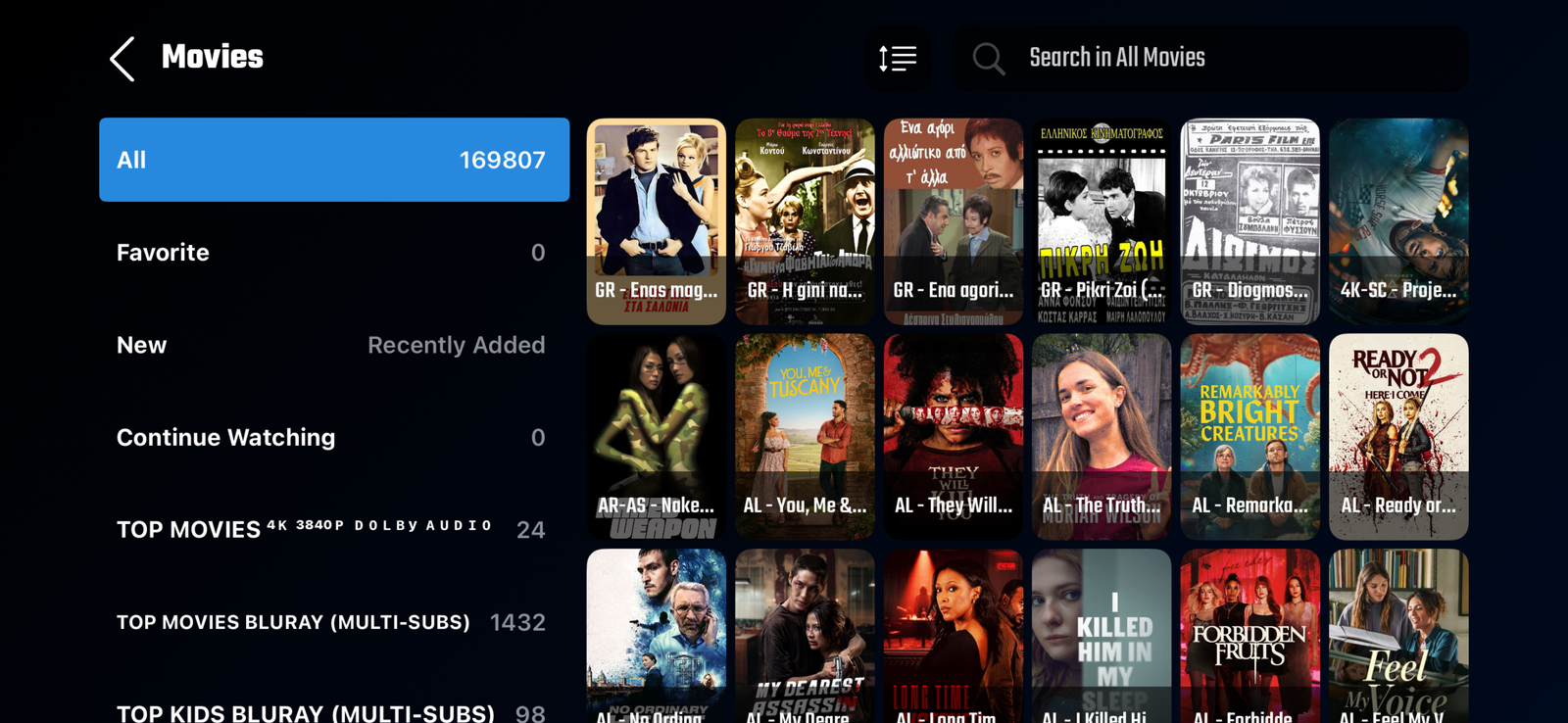
- Movie channels and on-demand libraries
- News networks and local channels
- Multiple device support
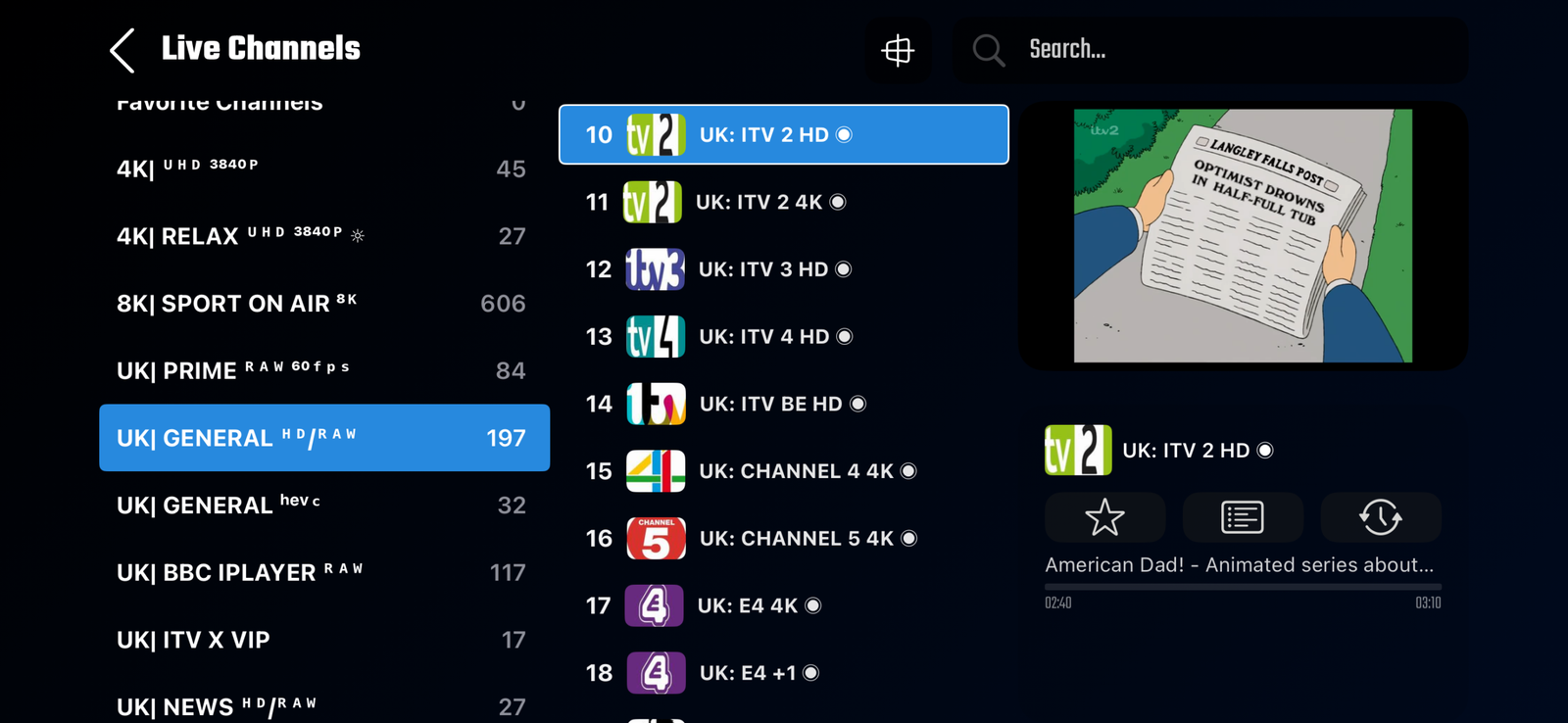
- Electronic Program Guide (EPG) that actually works
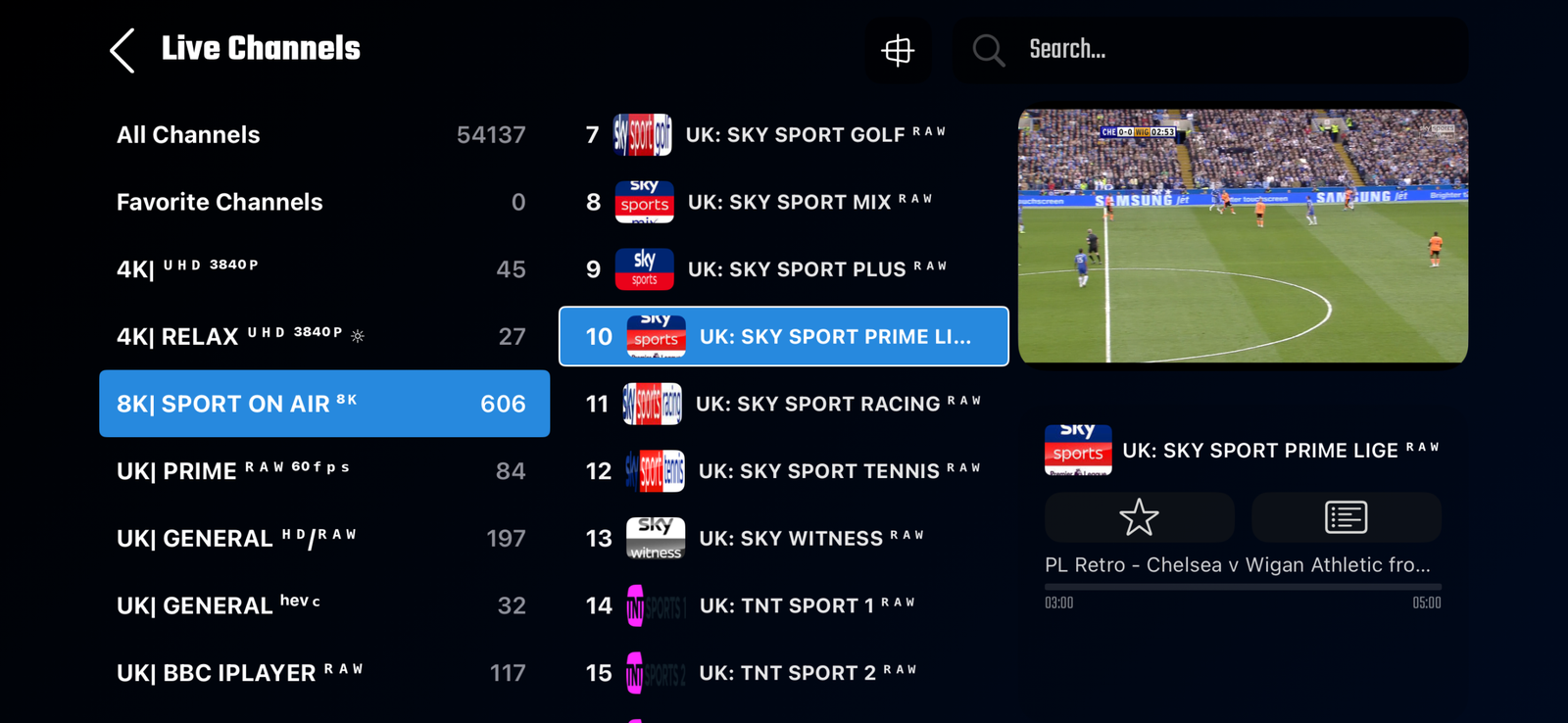
I currently get access to over 50,000 channels. That’s not a typo. Fifteen thousand. I scroll through the guide sometimes just to see what’s there. There’s always something I didn’t know existed.
The Setup Process (Easier Than You Think)
I expected a nightmare. Setting up tech stuff usually means reading manuals, watching YouTube tutorials, and eventually calling someone for help.
Here’s what actually happened. I downloaded an app on my Fire Stick, entered the login details they sent me, and started watching TV in under five minutes. That was it.
If you’re using a Fire Stick or similar device, the process is basically the same. Download the app, log in, done. Smart TVs are similar. Even my parents figured it out, and they still call me when their phone updates.
For phones and tablets, most providers have apps on the App Store or Google Play. You can also use generic IPTV players like IPTV Smarters or TiviMate, which work with most services.
What About Streaming Quality?
This was my biggest concern. I watch a lot of sports, and nothing ruins a game like buffering during the final play.
Here’s what I found. With a decent internet connection (I’ll cover speeds below), the quality is actually better than cable. I’m serious. The picture is sharper, the colors look better, and I haven’t had a single instance of the picture pixelating during bad weather.
That last point matters more than you think. I live in an area with frequent storms. Cable would cut out every time it rained hard. IPTV doesn’t care about the weather because it comes through your internet line.
According to Streaming Media, the shift to internet-based delivery has dramatically improved reliability for consumers, with uptime rates now matching or exceeding traditional broadcast methods. The technology has matured significantly in recent years.
Internet Speed Requirements (The Real Numbers)
Everyone asks this, so let me give you straight answers based on my testing:
- HD streaming (1080p): 10-15 Mbps per stream
- 4K streaming: 25 Mbps per stream
- Multiple devices: Add the numbers together
I have 100 Mbps internet at home. With three people streaming simultaneously (myself, my partner, and my kid), we’ve never had an issue. Even when I’m watching a 4K movie in the living room and someone else is streaming sports in 4K upstairs, everything runs smoothly.
If you have 50 Mbps or more, you’re fine for almost any situation. 25 Mbps works for single-stream 4K, but you’ll want more headroom if multiple people use your connection.
The folks at CNET’s streaming section regularly test these services and confirm that modern broadband handles IPTV without issues for most households. Their testing aligns with what I’ve experienced personally.
How Much Does IPTV with Subscription Cost?
Here’s where it gets interesting. I mentioned my cable was $217. My current IPTV subscription costs significantly less. Let me break down the actual pricing:
Choose Your Plan
1 Month
per month
BEST SELLER
3 Months
total
6 Months
total
BEST VALUE
12 Months
total
Do the math. Even the monthly plan at $19.99 saves me $197 every single month compared to cable. Over a year, that’s $2,364 back in my pocket. For basically the same content, plus way more channels I didn’t have before.
If you’re committed to cutting the cord long-term, the 12-month IPTV subscription brings your monthly cost down to about $5.42. That’s less than a single movie ticket for an entire month of television.
What Devices Work with IPTV?
Almost everything. Seriously. Here’s what I’ve personally tested:
- Amazon Fire Stick – Works perfectly. This is what I use in my living room.
- Android TV boxes – Native apps available, very smooth.
- Smart TVs (Samsung, LG, etc.) – Most have apps or work with external players.
- Phones and tablets – iOS and Android both supported.
- Computers – Web players or apps for Windows/Mac.
- MAG boxes – Popular dedicated IPTV devices.
I started with a Fire Stick because it was cheap and I already had one. When I realized how much I liked the service, I got an Android TV box for my bedroom because it’s a bit more powerful and responsive.
The beauty is you can try it on whatever you already own. No need to buy new equipment unless you want to.
Sports and Live Events (The Make-or-Break Test)
I’m a sports fanatic. NFL Sundays, NBA playoffs, Champions League soccer, UFC fights. If it’s competitive and on TV, I watch it.
This was my ultimate test for any cable replacement. Could IPTV handle live sports without lag, buffering, or quality drops?
The answer is yes, with one caveat. You need a quality provider. Cheap or free IPTV services often struggle during major events because too many people try to watch simultaneously. It’s like a highway during rush hour.
Good providers invest in server infrastructure to handle peak loads. I’ve watched the Super Bowl, NBA Finals, and World Cup matches without a single hiccup. The streams loaded instantly, stayed in perfect quality, and never buffered.
That said, I always test a service during a major event before committing long-term. Most providers offer short-term plans or trial periods specifically for this reason. Use them.
The Downsides Nobody Talks About
I’m not going to pretend everything is perfect. There are legitimate downsides to IPTV with subscription services:
- No local cable monopoly support: If something breaks, you can’t call Comcast and have a truck roll tomorrow. You submit a ticket or use chat support.
- Requires internet: If your internet goes down, so does your TV. Though honestly, when my internet was down, cable was usually down too.
- Quality varies by provider: This is the big one. Do your research. Read reviews. Test before you buy long-term.
- EPG accuracy: The electronic program guide isn’t always perfect. Sometimes channel listings are slightly off. It’s gotten much better, but it’s not 100%.
For me, these trade-offs are worth the savings and the increased channel selection. Your mileage may vary.
As WIRED’s streaming coverage has noted, the transition from traditional broadcast to internet-based delivery involves some growing pains, but the technology and infrastructure have improved dramatically. Their analysis of the streaming landscape confirms that reliability concerns from even a few years ago are largely resolved with quality providers.
How to Choose a Provider (What I Learned)
After testing four different services, here’s what actually matters:
1. Server Stability
This is everything. A provider with 50,000 channels is useless if they don’t work when you want to watch. Look for services with multiple server locations and backup systems.
2. Channel Selection
More isn’t always better, but having options matters. I want my local channels, major networks, sports packages, and some international content. Make sure your must-have channels are included.
3. Device Compatibility
Check that the service works on your preferred devices before you buy. Most support everything, but verify.
4. Support Quality
Things will go wrong eventually. When they do, you want help fast. Test their support during your trial period. Send a question and see how quickly they respond.
5. Payment Options
Reputable providers offer standard payment methods. Be cautious of services that only accept cryptocurrency or wire transfers.
If you want a service that checks all these boxes, our IPTV Strong Pro offering is built specifically for reliability and channel variety. We’ve focused on server stability above everything else because nothing else matters if the stream doesn’t work.
My Honest Recommendation
After eight months of daily use, I’m completely sold on IPTV with subscription plans. The savings are massive, the channel selection is incredible, and the quality matches or beats cable in most cases.
Start with a short-term plan or trial. Test it on your devices, during live events, at peak viewing times. See if it works for your specific situation.
If you’re like me, you’ll wonder why you waited so long to make the switch.
Ready to try it yourself? Check out our free trial option and see what IPTV with subscription can do for your viewing experience. No commitment, no risk, just better TV.
Frequently Asked Questions
What internet speed do I need for IPTV with subscription?
You need at least 25 Mbps for stable 4K streaming. For HD content, 10-15 Mbps works fine. I recommend having at least 50 Mbps to account for other devices using your network.
Is IPTV with subscription legal?
IPTV itself is completely legal. It’s just a technology for delivering TV content over the internet. What matters is the source of the content. Stick with providers that have proper licensing agreements.
Can I use IPTV on multiple devices?
Most IPTV with subscription plans allow multiple connections. Our plans support up to 3 simultaneous connections, so you can watch on your TV, phone, and tablet at the same time.
What happens if the service goes down?
Quality providers have backup servers and 99.9% uptime guarantees. In my experience, outages are rare and usually resolved within minutes. Choose a provider with 24/7 support.
How does IPTV compare to Netflix or Hulu?
It’s different. Netflix and Hulu offer on-demand content. IPTV gives you live TV channels, like cable, plus on-demand libraries. If you want live sports, news, and channel surfing, IPTV is what you need. For binge-watching series, Netflix might still have a place in your setup.
Can I get local channels with IPTV?
Yes, most IPTV with subscription services include local channels from major markets. The selection varies by provider, so check the channel list before subscribing if locals are important to you.